Our top picks for the best bookshelf speakers under $500 in 2026. From refined British monitors to dynamic American powerhouses.
Updated February 23, 2026
How We Chose
Every speaker on this list earned its place through extended listening in our reference room — a moderately treated 12-by-15-foot space that represents a typical living room environment. We tested each pair with a range of amplifiers from affordable integrated units to reference separates, because a speaker’s sensitivity and impedance curve determine how it will perform with the gear most buyers actually own. Our evaluation combined calibrated frequency response measurements with hours of subjective listening across genres spanning jazz trios, full orchestral works, hip-hop, and dense electronic productions. We weighted tonal balance and midrange accuracy most heavily, followed by dynamic range, bass extension relative to cabinet size, and imaging precision. Build quality and cabinet resonance were assessed as well — at this price, a well-braced cabinet is the difference between clean, controlled bass and boomy, fatiguing sound. We also factored in placement flexibility, because not every listener has the luxury of pulling speakers three feet from the wall.
What to Look For
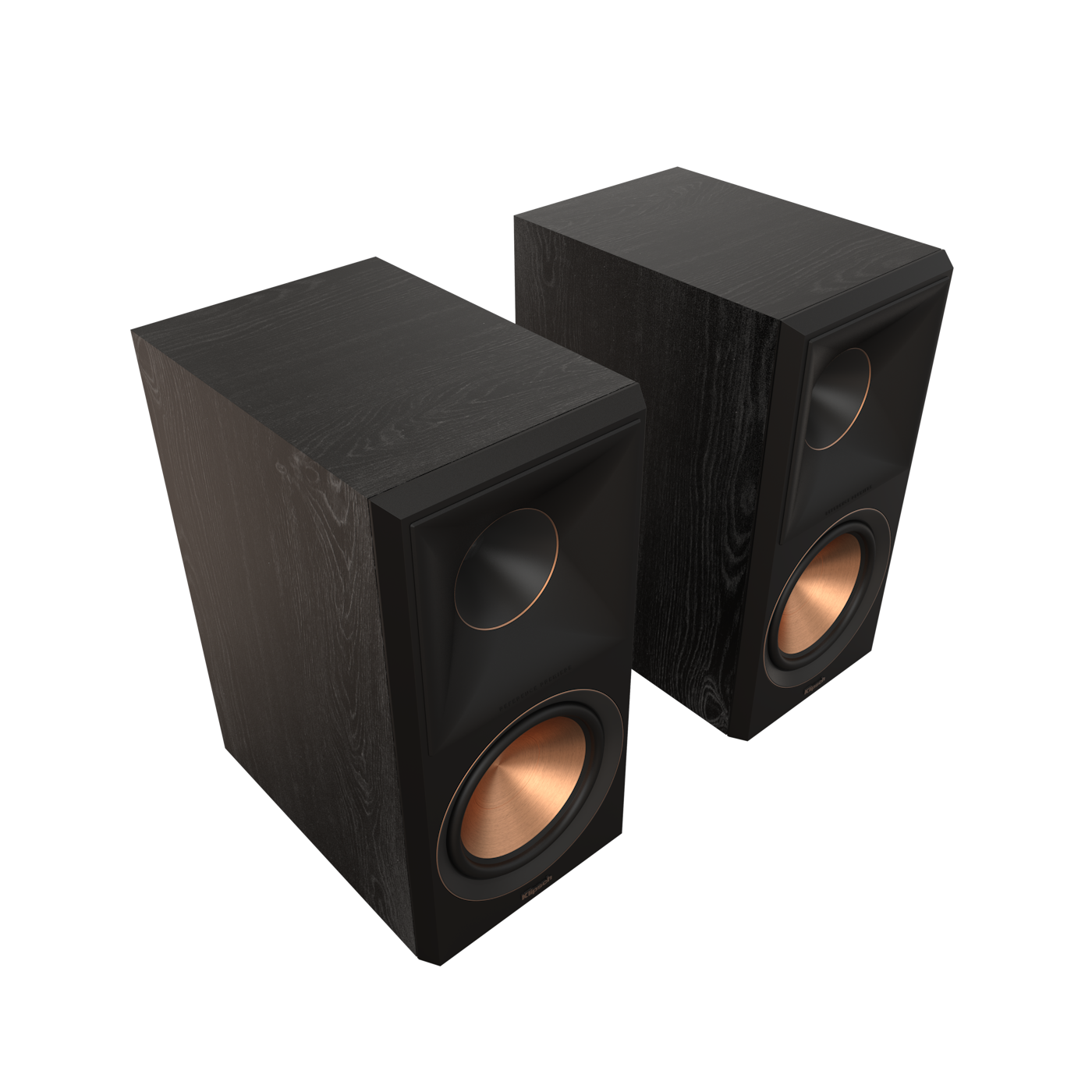
Sensitivity is the single most practical specification for speaker buyers. It tells you how loud a speaker plays per watt of amplifier power. The Klipsch RP-600M II at 96dB sensitivity will play room-filling levels from a modest 20-watt amplifier, while a less sensitive design might need 80 watts or more to reach the same volume. If you already own an amplifier, match its power output to the speaker’s sensitivity before anything else.
Room size should guide your driver selection. A 6.5-inch woofer delivers meaningfully deeper bass than a 5.25-inch driver, but it also needs more room to breathe. In a small bedroom or office, a compact speaker with a smaller woofer may actually sound better because the room itself reinforces low frequencies.
Port design and placement matter for real-world setup flexibility. Rear-ported speakers need clearance behind them to avoid bass reinforcement that turns into boominess. Front-ported or sealed designs are more forgiving of placement against or near walls — an important consideration for bookshelves, media consoles, and cramped desk setups.
Finally, think about your upgrade path. Speakers with bi-wire terminals, high-quality binding posts, and efficient impedance curves will reward you as your amplification improves over time. A great pair of speakers at this price can anchor your system for a decade or more, so choose a pair that will grow with your setup rather than holding it back.
1
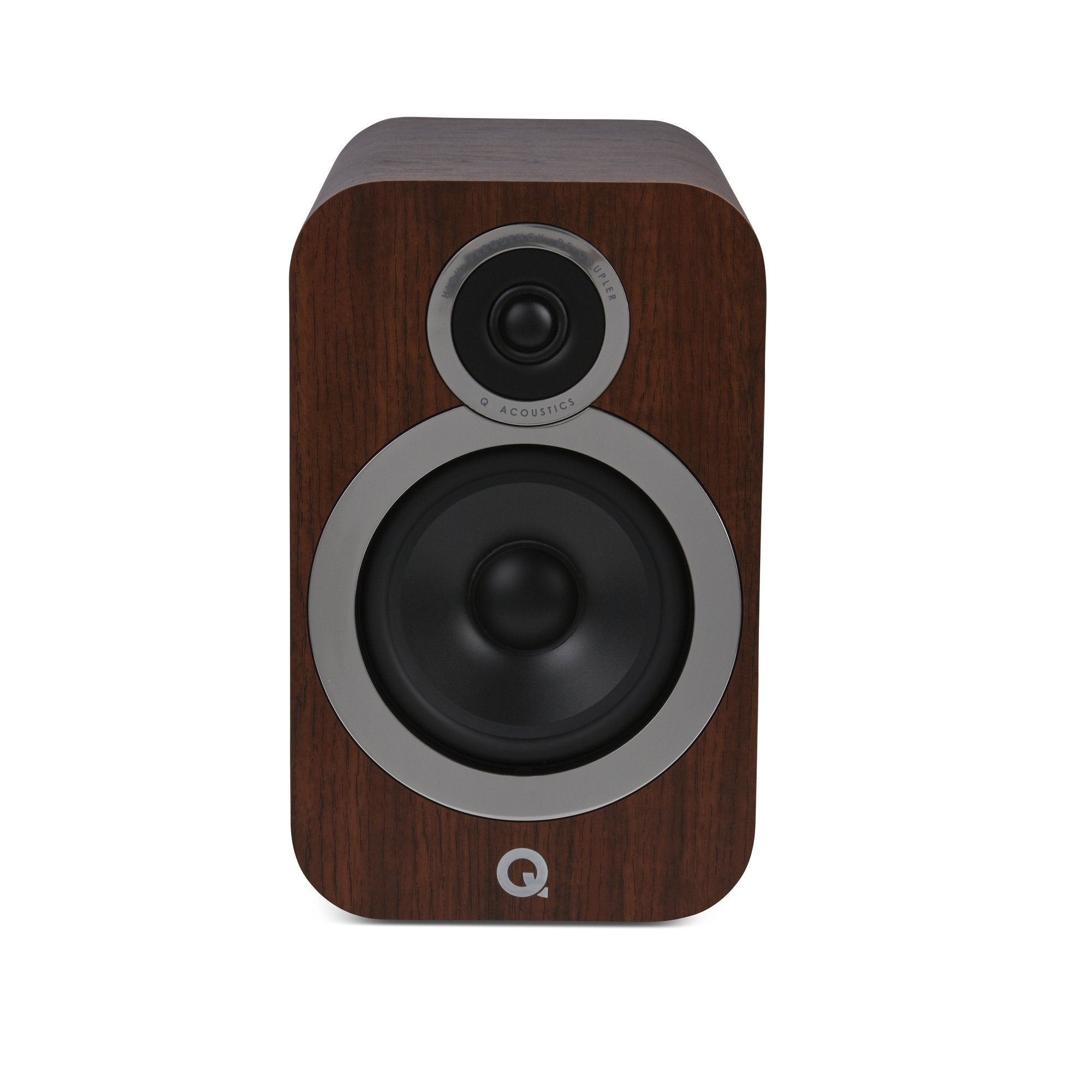
Q Acoustics 3030i
8.0
$450Best for: Critical listeners who value accuracy
A refined British bookshelf speaker that punches into the $800 bracket. Point-to-Point cabinet bracing delivers audiophile sound at a budget-friendly price.