Sound Quality
The Audio-Technica ATH-R70x is a headphone built on a singular philosophy: show the recording as it is, nothing added, nothing subtracted. This is reference-grade neutrality in its purest form, and it defines every aspect of the listening experience. Where many headphones in this price range apply subtle tonal seasoning to make music more immediately engaging, the R70x refuses to flatter. It is a mirror, not a painting — and for its intended audience of studio professionals and critical listeners, that honesty is precisely the point.
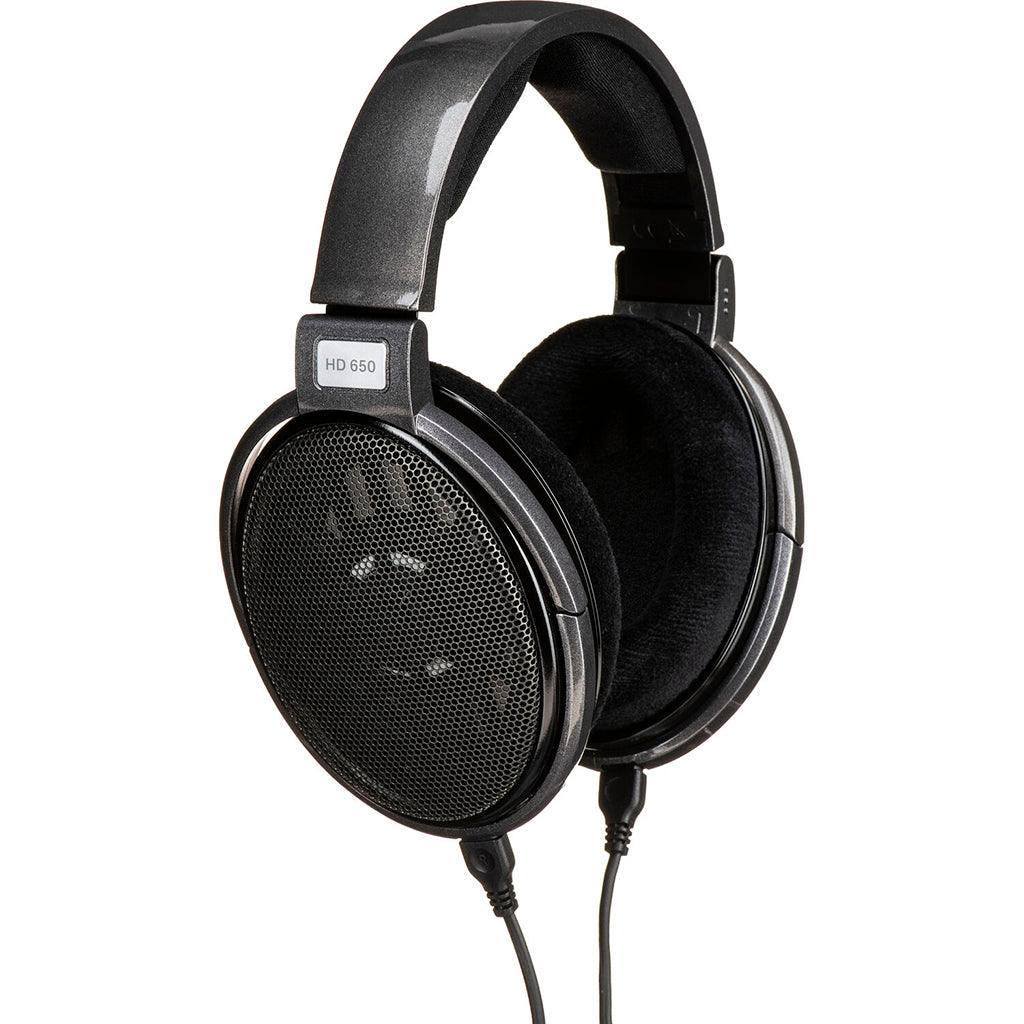
The frequency response is tuned for accuracy rather than excitement. Bass is present, well-defined, and extends respectably into the lower registers, but it is deliberately lean by consumer standards. There is no mid-bass bloom or sub-bass emphasis to add warmth or weight to the low end. Kick drums arrive with honest impact and decay naturally, and bass guitar notes are rendered with clear pitch definition, but listeners accustomed to the fuller low end of a Sennheiser HD 650 or a planar magnetic headphone will find the R70x’s bass presentation restrained. For mixing purposes, this is a virtue — you can trust that any low-frequency decisions you make on the R70x will translate accurately to other playback systems. For casual music enjoyment, it can feel like something is missing.
The midrange is where the R70x truly distinguishes itself. There is a clarity and directness to vocal reproduction that makes this headphone invaluable for tracking and mixing sessions focused on voice work. Male and female vocals are presented with equal fidelity, and the R70x resolves subtle textural details — breath sounds, lip movements, the room character of a recording studio — with effortless precision. Acoustic instruments are rendered with a convincing natural timbre that rewards close listening. The midrange never shouts or becomes fatiguing, maintaining composure even on aggressive recordings that push other headphones into harshness.
Treble is extended and revealing without crossing into analytical sharpness. The R70x presents high-frequency detail — cymbal decay, string harmonics, the sibilance in vocal recordings — with enough clarity to be useful for critical evaluation without becoming punishing over long sessions. There is a subtle smoothness to the top end that prevents listening fatigue, which is essential for a headphone designed for eight-hour workdays.
The 470-ohm impedance is the R70x’s most distinctive and divisive specification. This unusually high impedance means the headphone absolutely requires a dedicated headphone amplifier to perform anywhere near its potential. Plugged into a phone or laptop, the R70x will sound thin, lifeless, and disappointingly quiet. But connect it to a proper desktop amplifier — even a modest one like the JDS Labs Atom or Schiit Magni — and the transformation is dramatic. The sound opens up, dynamics improve substantially, and the full resolution of the driver becomes apparent. More importantly, the high impedance means the R70x scales beautifully with better amplification. Feed it a quality tube amplifier or a high-end solid-state unit, and it continues to reveal new layers of performance. This scaling behavior is one of the R70x’s most rewarding characteristics for enthusiasts who enjoy experimenting with their signal chain.
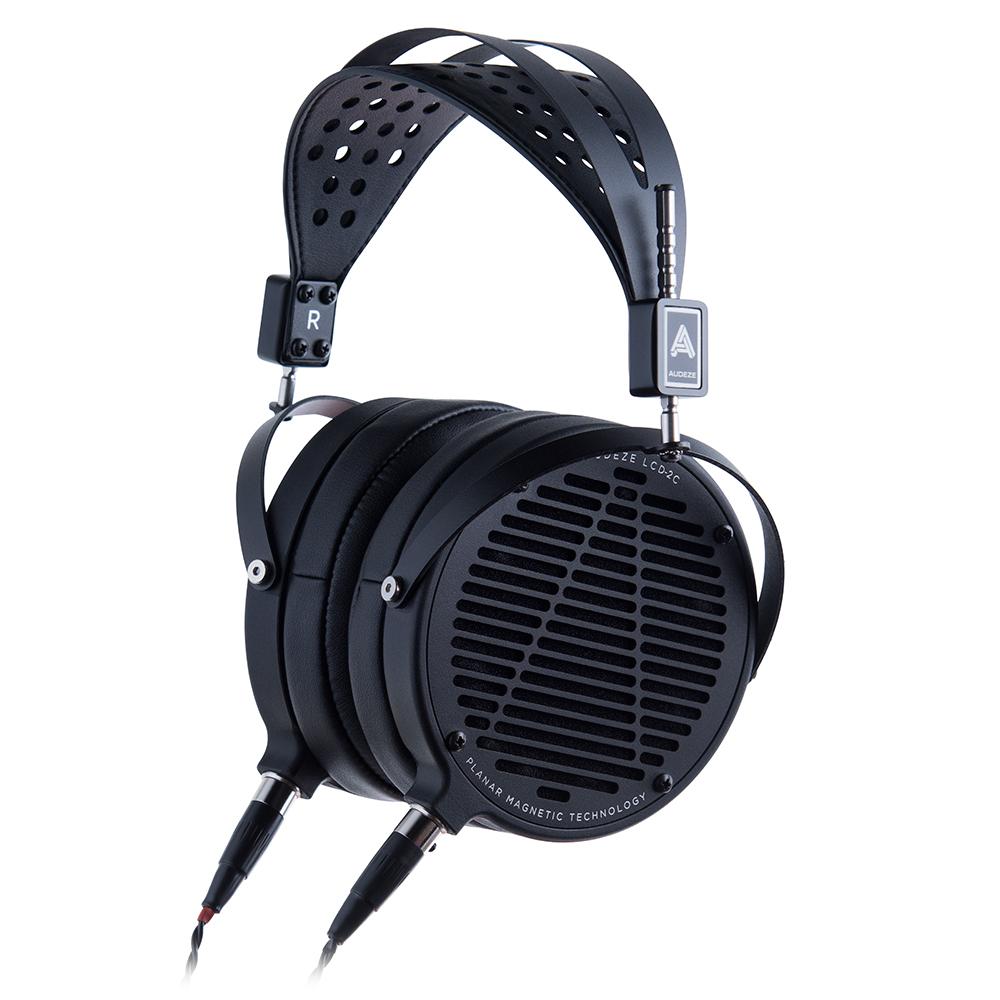
Transient response is excellent for a dynamic driver design. The 45mm True Motion driver handles fast passages with confidence, and there is a natural sense of attack and decay to percussive elements that sounds organic and unforced. Soundstage is moderate — neither intimate nor expansive — with precise imaging that places instruments in a well-defined spatial field. It will not compete with the cavernous staging of a HiFiMAN Edition XS or the three-dimensional depth of an HD 800 S, but for studio monitoring purposes, the staging is appropriately focused and reliable.
Build & Comfort
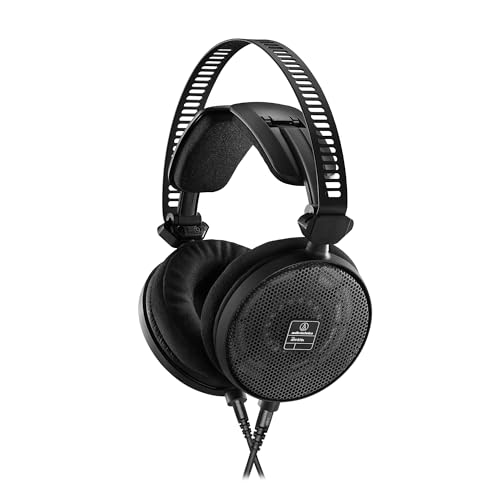
The ATH-R70x’s defining physical characteristic is its astonishing 210-gram weight. This makes it one of the lightest full-size open-back headphones on the market, and the practical implications are profound. During extended studio sessions — the kind that stretch past four, six, or eight hours — the R70x genuinely disappears on your head. There is no accumulating neck strain, no pressure-point fatigue, no periodic need to remove the headphones and rest. For professionals whose livelihood depends on wearing headphones all day, this is not a luxury; it is a fundamental requirement.
Audio-Technica achieves this featherweight construction through a combination of lightweight materials and their distinctive 3D wing-support headband system. Rather than a traditional padded headband that sits on top of the skull, the wing-support uses two self-adjusting wings that rest gently on the sides of the head, distributing the minimal weight across a broad surface area without any manual adjustment needed. The system works remarkably well — it accommodates a wide range of head sizes automatically, and the lack of a rigid headband pressing down on the crown eliminates one of the most common sources of headphone discomfort.
The ear cups use a honeycomb mesh housing that gives the R70x its open-back character while providing a degree of structural rigidity. The aesthetic is deliberately plain and professional — matte black throughout, with no chrome accents, no branding flourishes, and no visual drama. This understated design is entirely appropriate for a studio tool, though consumers spending $350 on headphones may find the visual presentation underwhelming compared to more stylish competitors.
The cable system deserves special mention. Audio-Technica uses their proprietary A2DC locking connector, which clicks securely into place on each ear cup and resists accidental disconnection. The included cable is well-constructed and adequately long for studio use. While the proprietary connector means third-party cable options are more limited than with a standard 3.5mm termination, the security and reliability of the locking mechanism is a worthwhile trade-off in a professional environment where an accidentally yanked cable can disrupt a recording session.
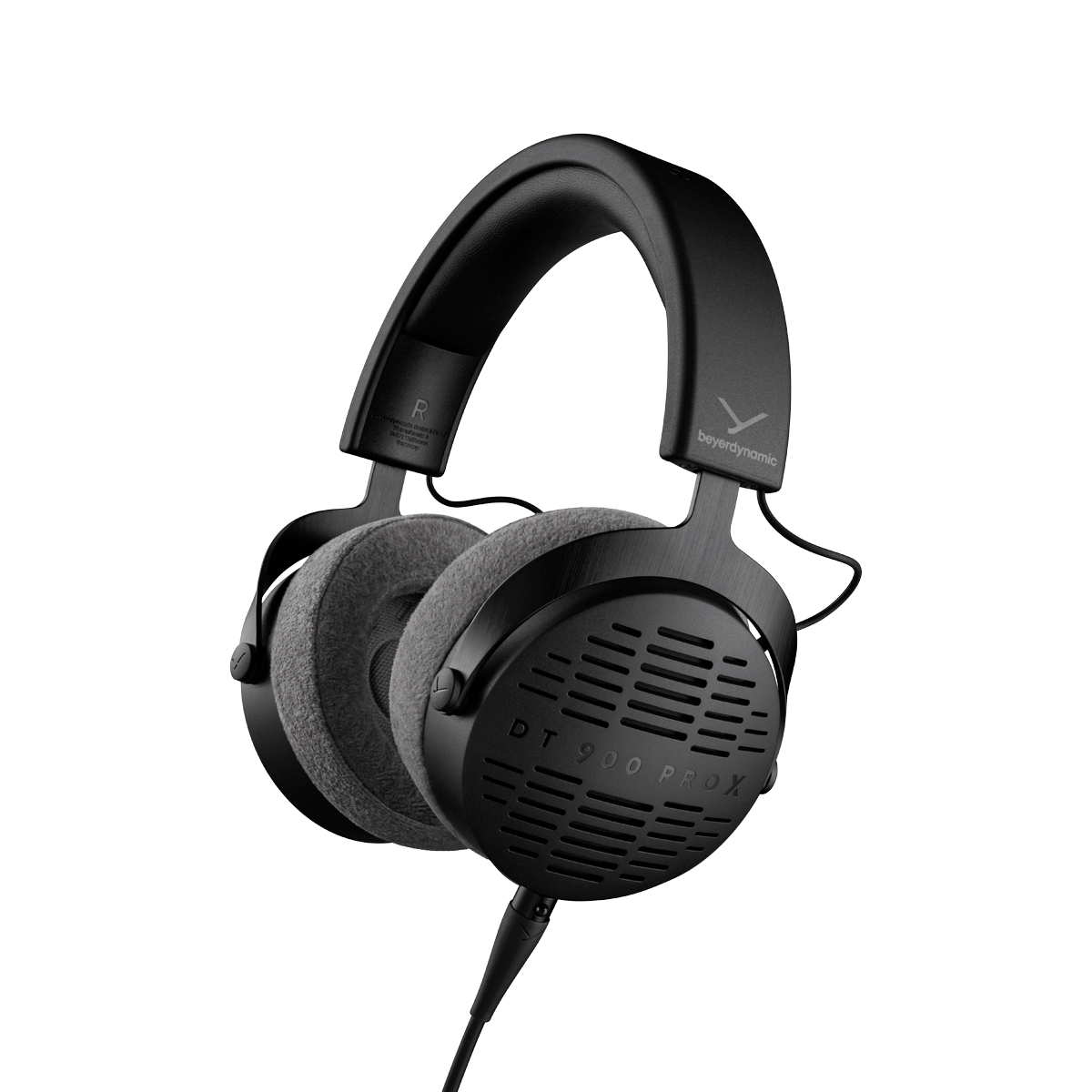
Overall durability is good for the weight class. The materials are predominantly lightweight plastics and mesh, which do not convey the same sense of ruggedness as the metal-reinforced construction of a Beyerdynamic DT 900 Pro X, but they have proven reliable in professional studio environments where the R70x has built a loyal following over the years.
Value Proposition
The ATH-R70x occupies a specific niche, and evaluating its value requires understanding that niche clearly. This is not a headphone designed to compete broadly with the Sennheiser HD 650 or the Beyerdynamic DT 900 Pro X on the basis of all-around musical enjoyment. It is a purpose-built studio reference tool, optimized for accuracy, comfort during marathon sessions, and honest tonal reproduction. Within that context, it delivers excellent value. Outside of it, the calculus changes significantly.
The 470-ohm impedance requirement is the most significant barrier to entry. Prospective buyers must factor in the cost of a capable headphone amplifier, which adds anywhere from $100 to $500 to the total investment depending on the quality of amplification chosen. A listener who already owns a desktop amplifier or a professional audio interface with a competent headphone output will find the R70x’s $350 price entirely reasonable for what it delivers. A newcomer who needs to purchase amplification from scratch is looking at a $450-$550 minimum total system cost, which changes the competitive equation.
Against its direct competitors, the R70x’s strengths are clear. The Sennheiser HD 650 at a similar price point offers a warmer, more forgiving sound signature that many find more musical, but it cannot match the R70x’s comfort or its neutral accuracy. The Beyerdynamic DT 900 Pro X at $299 is easier to drive and offers a more engaging V-shaped tuning, but it lacks the R70x’s midrange purity. Neither competitor comes close to the R70x’s 210-gram weight advantage.
The ideal buyer for the ATH-R70x is a mixing or mastering engineer who needs a headphone they can trust and wear all day, a podcaster or voice-over artist who requires accurate vocal monitoring, or an audiophile with a quality amplifier who values uncolored accuracy above all else. For these listeners, the R70x is a quietly brilliant tool that earns its place through honest performance and effortless comfort rather than flashy specifications or crowd-pleasing tuning.