Sound Quality
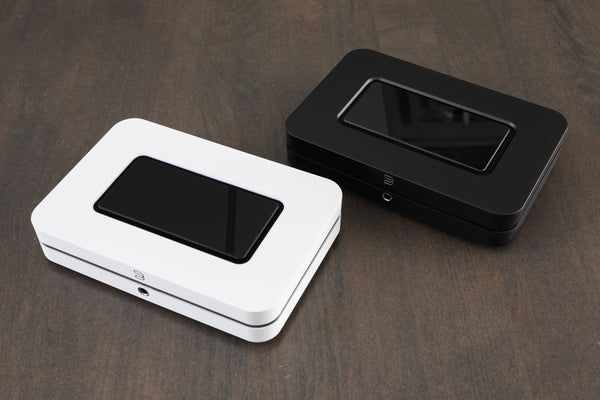
The NODE’s built-in ESS ES9016K2M DAC handles the fundamentals competently: clean background, extended high-frequency response, and tight bass. Direct analog output from the NODE sounds noticeably better than most smart TVs and soundbars used as streaming devices, and for listeners upgrading from a phone or laptop as a streaming source, the improvement is immediately apparent. The analog stage is warm and musical, leaning slightly toward the relaxed rather than the analytical.
For listeners with an existing external DAC, the NODE becomes even more compelling as a pure network transport. The coaxial and optical outputs feed a clean digital signal to outboard DACs, and the improvement in resolution and dynamics with a quality external converter — a Chord Qutest, Schiit Bifrost 2, or SMSL DO200 MkII — is significant. The NODE’s transport performance is excellent: bit-perfect output, stable clocking, and reliable MQA core decoding for Tidal Masters. Using the NODE as a digital transport rather than relying on its onboard DAC unlocks the streamer’s full potential.
The Bluesound platform supports gapless playback natively, which matters more than it sounds: the break between tracks in continuous albums — live recordings, classical works, DJ sets — disappears, preserving the musical intention of the recording.
Software & Ecosystem
BluOS is the differentiating factor. It is simply the best-designed, most reliable streaming software available in a standalone music player. The app handles local network music libraries (NAS, USB storage), streaming services, and internet radio in a single unified interface. Library management is fast even on large collections, and the cover art rendering and metadata display are polished and professional.
Multi-room audio works flawlessly in the BluOS ecosystem — synchronize multiple Bluesound or NAD components without audible timing mismatches. The NODE works as a Roon-certified endpoint, meaning Roon subscribers get full metadata display, high-resolution album art, and Roon’s superior library management through the NODE’s hardware without compromise.
Software updates have arrived consistently since the platform launched, bringing new streaming service integrations, UI improvements, and hardware refinements. BluOS is a living platform, not a product shipped and forgotten.
Value Proposition
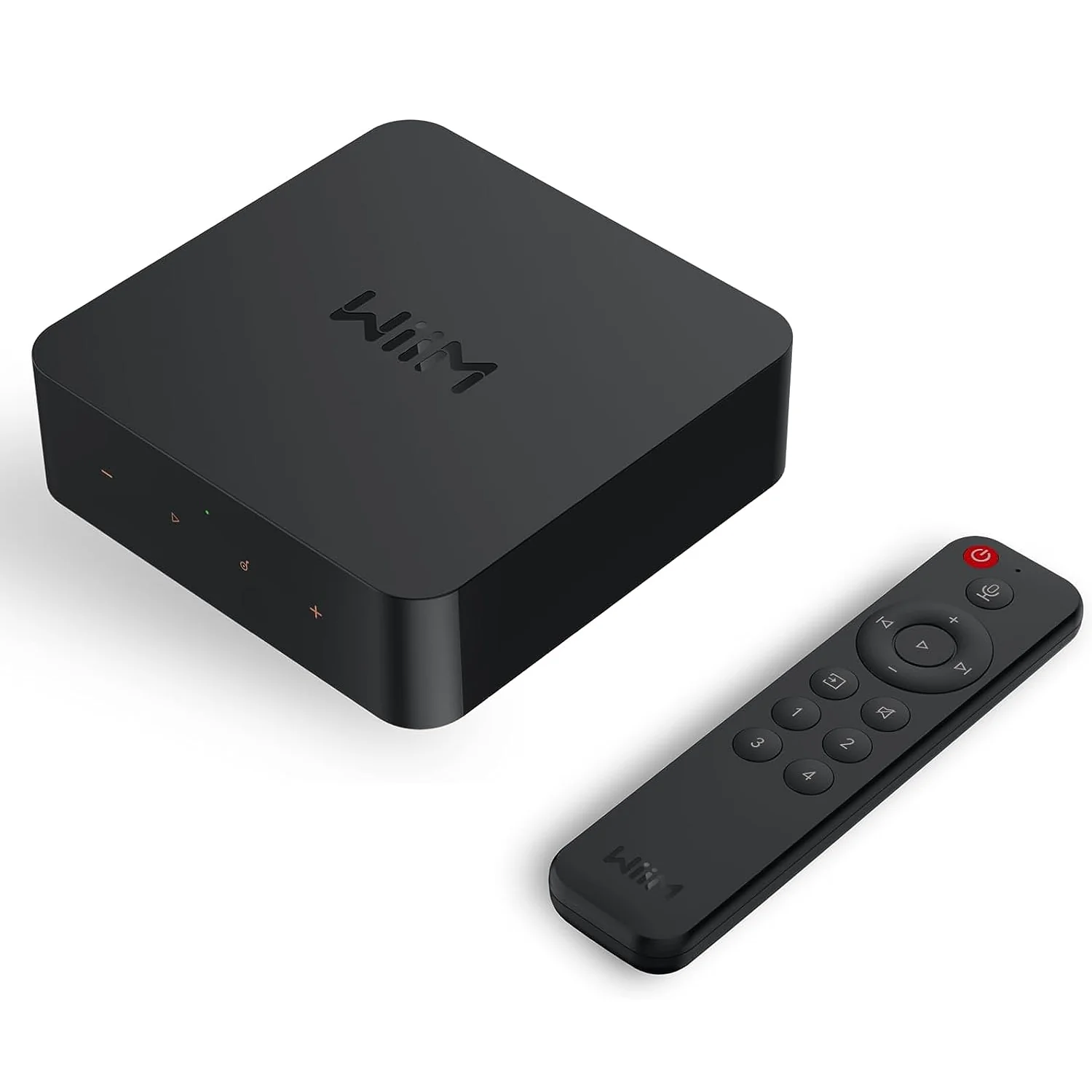
At $549, the NODE is priced toward the top of the entry-level streamer category. The WiiM Pro Plus at $219 offers competitive streaming performance at a significantly lower price, and listeners on a budget should consider it seriously. But the Bluesound justifies its premium through software maturity, ecosystem depth, and long-term support that value-priced alternatives have not yet demonstrated. If you are investing in a system that will grow over years — adding a NAS, Roon, or additional Bluesound endpoints — the NODE is the more future-proof foundation.
For new streamers looking for a single box that connects to existing hi-fi equipment, handles every streaming service without fuss, and works reliably year after year, the Bluesound NODE earns its price.