Sound Quality
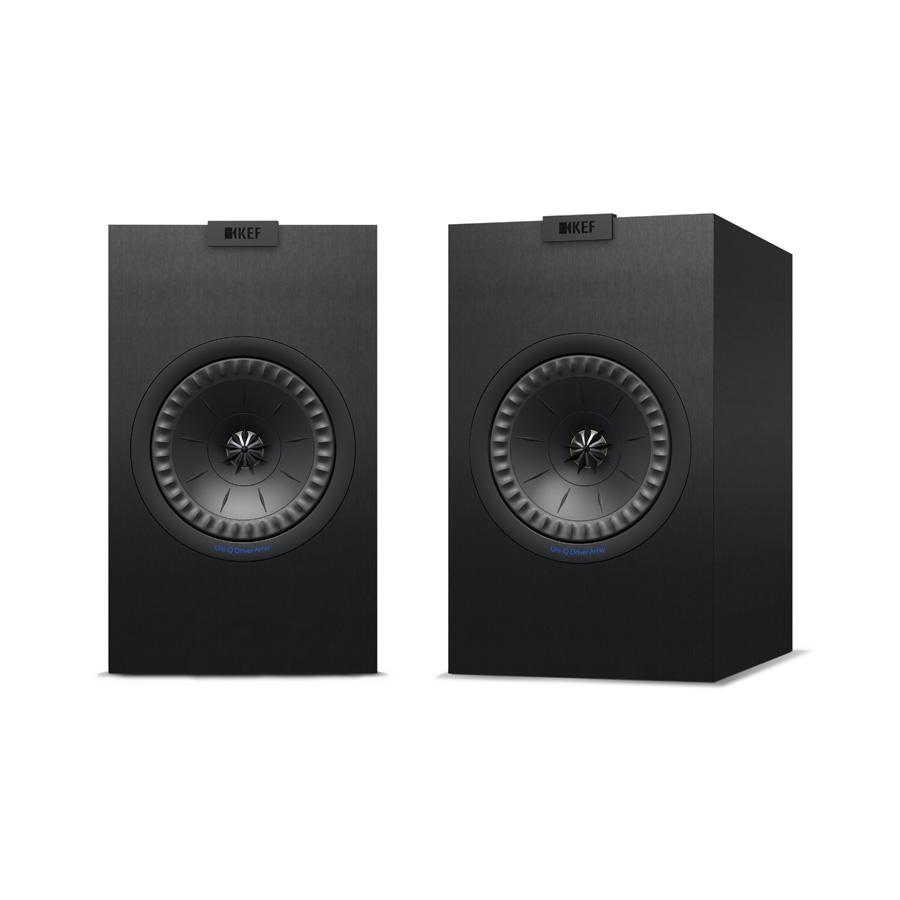
The Q150 is proof that KEF’s Uni-Q technology scales down gracefully. The coaxial driver — with the tweeter mounted at the center of the midrange cone — creates point-source imaging that is simply unavailable from any conventional two-way speaker at this price. Close your eyes, and instruments are precisely placed in a wide, stable soundstage that rivals speakers costing three times as much.
The tonal balance is smooth and neutral, with a slight warmth in the lower midrange that flatters vocals and acoustic instruments. The treble is clean and extended without the brightness that plagues many budget speakers. KEF has tuned the Q150 for long listening sessions, and it succeeds — these speakers never fatigue.
Bass extension is the primary compromise. At 51Hz, the Q150 rolls off well above the deepest fundamentals, meaning kick drums and bass guitars lack the lowest octave of weight. A small subwoofer transforms the Q150 into a genuinely full-range system, and the smooth crossover characteristics of the Uni-Q driver make subwoofer integration easier than with conventional speakers.
Build & Design
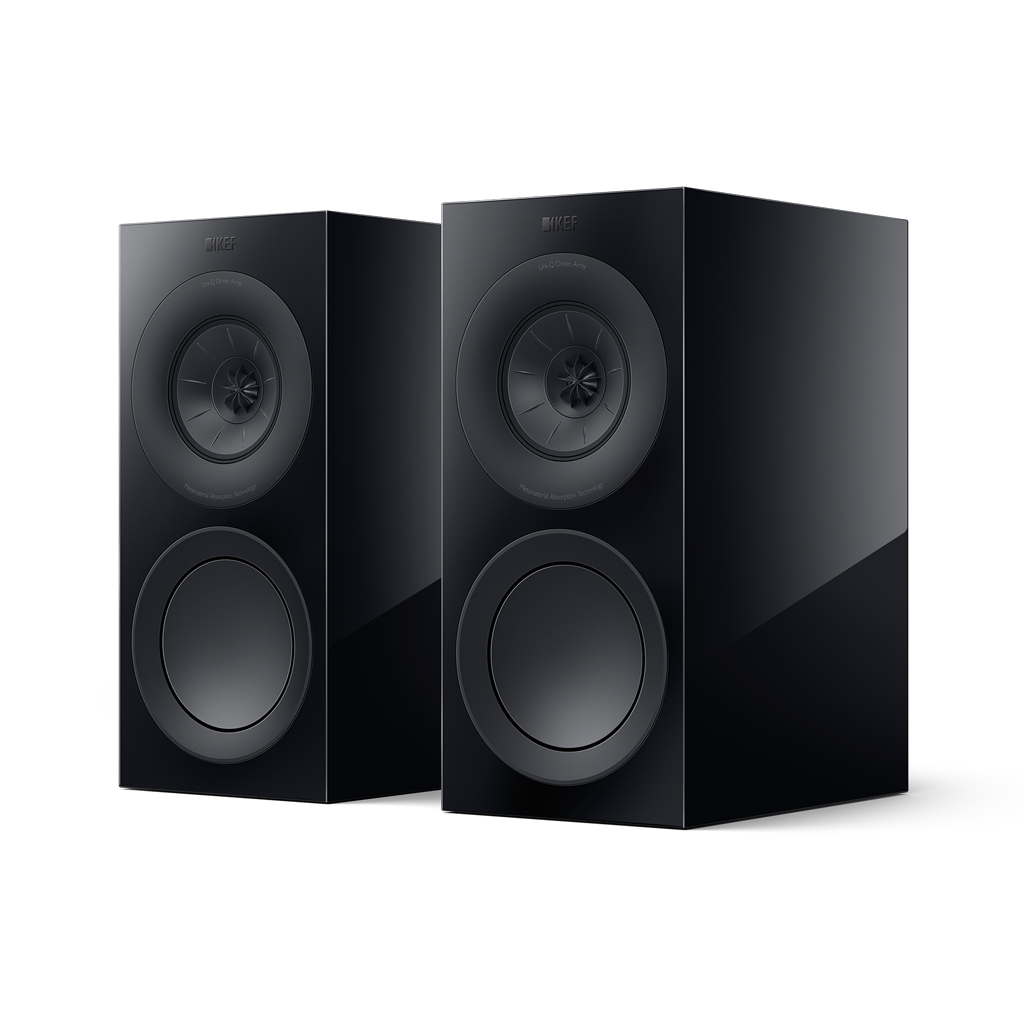
The Q150 uses a vinyl-wrapped MDF cabinet that is functional but unremarkable. Compared to the gorgeous finishes of the R Meta series, the Q150 looks budget — which it is. The front baffle is clean, with the Uni-Q driver visible behind an optional magnetic grille.
At 5.6kg each, the Q150 is compact and light enough for desktop use. The rear-firing port means they need a few inches of clearance from the wall for optimal bass response, but they are less fussy about placement than most ported speakers.
Value Proposition
At $300 per pair — and frequently on sale for $200-250 — the Q150 competes with the ELAC Debut B6.2 ($289), the Wharfedale Diamond 12.2 ($350), and the Polk Audio R200 ($300). The KEF’s Uni-Q driver gives it a decisive advantage in imaging, while the competitors offer slightly more bass extension.
For someone building their first hi-fi system who values precision and clarity over raw bass, the Q150 is the smartest entry point into quality audio.